NBA: Scores, Games, Schedule, Teams, and Complete Basketball Guide
The NBA is one of the most watched basketball leagues in the world. Fans follow every game for exciting plays, close finishes, and star performances. The league also gives fans many ways to stay connected. You can check scores, follow teams, view schedules, and study player stats. You can also follow playoff races and special…
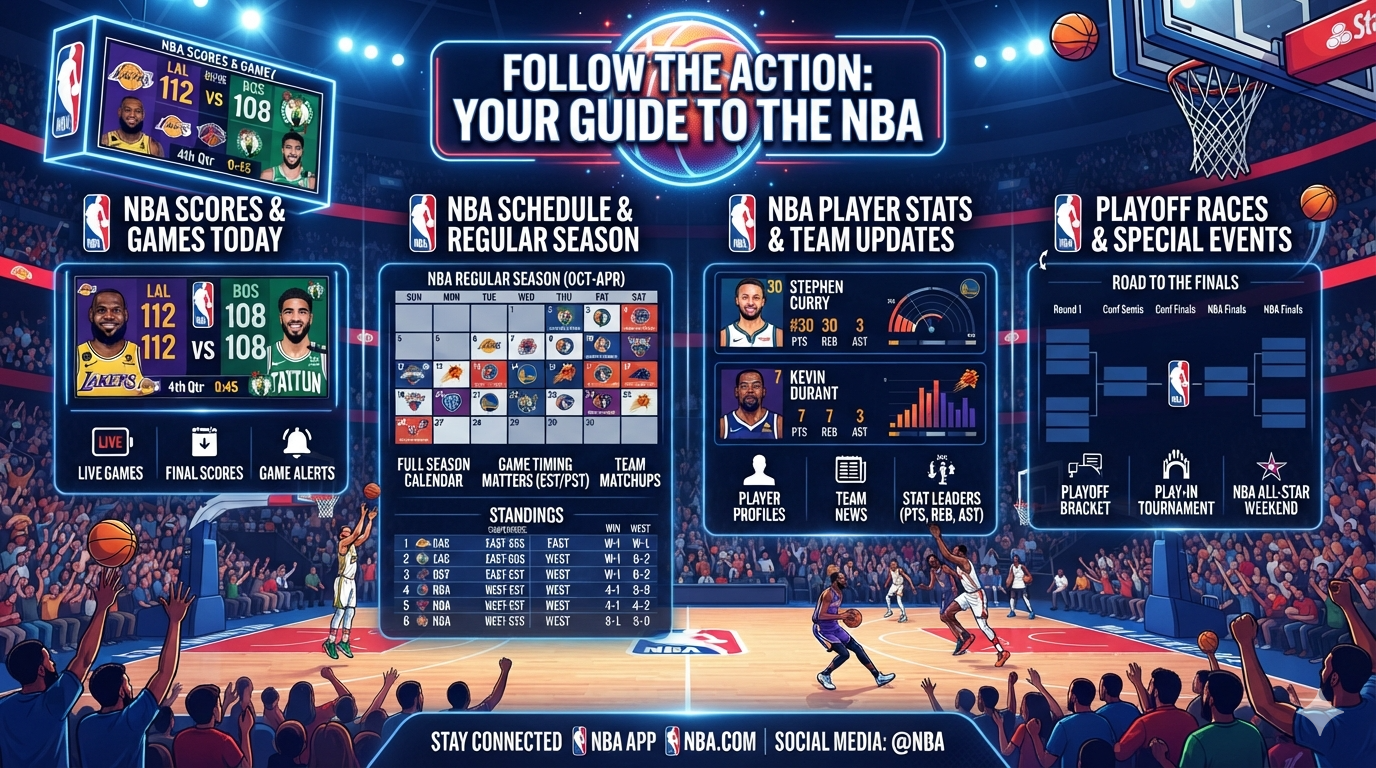
The NBA is one of the most watched basketball leagues in the world. Fans follow every game for exciting plays, close finishes, and star performances. The league also gives fans many ways to stay connected. You can check scores, follow teams, view schedules, and study player stats. You can also follow playoff races and special events during the season. This guide explains the most useful parts of the league in simple language. It covers NBA scores, NBA games, NBA games today, and the NBA schedule. You will also learn how regular seasons work and why game timing matters. Whether you are a new fan or a longtime viewer, this guide can help. It brings key information into one easy place. Keep reading to learn how to follow the action without feeling lost.
What Is the NBA?
The NBA stands for the National Basketball Association. It is a professional basketball league based in North America. The league features teams from the United States and Canada. Teams compete during a long regular season before the postseason begins. Each game has four quarters, and teams try to score more points than their opponents. Players score through field goals and free throws. Three-point shots can quickly change the result of a game. Defense is also important because teams must stop scoring chances. Fans follow teams, players, standings, statistics, and playoff races throughout the year. The league has a large global audience and attracts fans from many countries. Basketball also has a strong online community. This makes following live games easier than ever. New fans can start with one team and slowly learn the wider league.
How Does the NBA Season Work?
The NBA season has several important stages. The preseason comes before official regular-season games. Teams use preseason contests to prepare players and test different lineups. The regular season then brings a much larger number of meaningful games. Teams compete for strong records and better postseason positions. Standings become especially important as the season moves forward. After the regular season, qualifying teams enter the postseason structure. The playoffs bring a higher level of pressure because each series has major consequences. The Finals decide the league champion. The calendar also includes special events and the NBA Cup. Fans should check the official calendar because dates can change. Travel, television plans, and league events can affect viewing times. Understanding these stages makes the season easier to follow. It also helps fans know when each game matters most.
How to Check NBA Scores
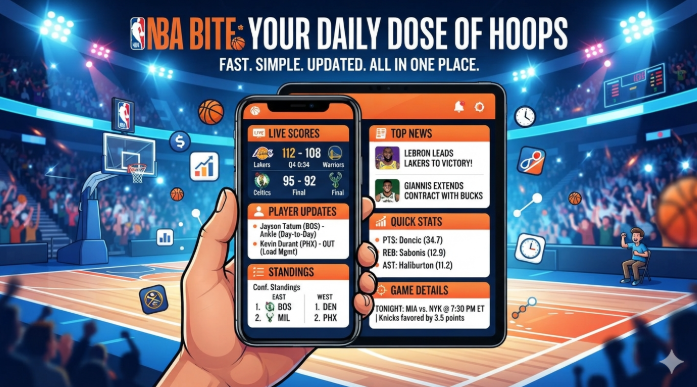
Checking NBA scores is easy when you use reliable sources. Official league platforms provide game results, schedules, team information, and statistics. Scores can also appear through trusted sports websites and mobile apps. A score page usually shows both teams and their current points. Live games may include the quarter, game clock, and other details. Completed games normally show the final score. Some pages also provide box scores after games finish. A box score gives deeper information about individual player performances. You can review points, rebounds, assists, steals, blocks, and shooting numbers. This information helps explain how a game developed. For example, a team can win because several players contributed instead of one star. Checking the final score gives the basic result. Checking the box score gives a better understanding of the game.
What Are NBA Games Today?
The phrase NBA games today usually means games scheduled for the current calendar date. This search can become confusing because fans live in different time zones. A game may appear on one date in the United States but another date elsewhere. This matters for international fans who watch late-night or early-morning games. Always check the listed time zone before planning your viewing. Preseason games can also appear during the early part of a new season. Regular-season games usually receive more attention because they affect standings. When checking games today, look for the matchup, location, start time, and broadcast details. You should also check whether the game is preseason or regular season. That small detail can change how important the result is. A reliable schedule page makes this information easier to understand. It also helps prevent missed games caused by time-zone differences.
How to Read the NBA Schedule
The NBA schedule contains much more information than game dates. It can show opponents, locations, start times, and broadcast details. Some games are played at home, while others require teams to travel. Travel can create challenging stretches during a long season. Fans should also watch for back-to-back games. These are games played on consecutive days. They can create difficult scheduling situations for players and coaches. The schedule also helps fans plan television viewing and arena visits. Many people follow one favorite team throughout the season. Others choose games based on major matchups. You can use the schedule to find both options. It is helpful to check the schedule often because viewing information can change. Official league pages are usually the best place to confirm details. Always check the current listing before making plans around a game.
NBA Teams and Conferences
The NBA has teams divided into two conferences. These are the Eastern Conference and Western Conference. Each conference contains multiple divisions and teams. Divisions help organize teams within each conference. However, fans often focus more on conference standings during the season. Team records can affect postseason positioning. A strong record can provide a better position heading into the playoffs. Each team also has its own roster, coaching staff, arena, and fan base. Some teams have long histories and famous rivalries. Other teams have built newer identities around young players. Following a single team can be a simple way to understand the league. You learn its players, schedule, rivals, and playing style. Over time, you can expand your interest to other teams. This approach makes a large league feel much easier to follow.
Understanding NBA Player Statistics
Player statistics add another layer to NBA coverage. Basic statistics include points, rebounds, and assists. Other numbers include steals, blocks, turnovers, and shooting percentages. Three-point percentage can show how well a player shoots from long range. Free-throw percentage can also provide useful information. Advanced statistics can measure efficiency and overall impact. However, one statistic rarely explains an entire performance. A player may score fewer points while making important defensive plays. Another player may create chances for teammates without taking many shots. Context is therefore important when reading statistics. Look at minutes played, team strategy, and game situation. Statistics are most useful when they support the full story. Fans can use them to compare performances and understand trends. They can also make games more interesting because you know what to watch.
Why NBA Standings Matter
Standings show how teams are performing during the season. They usually include wins, losses, winning percentage, and conference position. Some standings pages include additional information. Fans watch these numbers because postseason positions can change throughout the year. A team may move several places after a strong or weak stretch. Standings become especially interesting near the end of the regular season. Small differences between teams can have major effects on postseason positioning. However, standings should be viewed in context. Teams can have different schedules at different points in the season. Injuries and roster changes can also affect results. A single week does not always explain a team’s full performance. Looking at longer stretches can provide better context. Fans can combine standings with recent results and remaining schedules. This creates a clearer picture of where each team stands.
How NBA Playoffs Work
The postseason is one of the most exciting parts of the NBA calendar. Qualified teams compete through multiple playoff rounds. Series create a different atmosphere from regular-season games. Every possession can feel more important because teams face elimination. Coaches often make detailed adjustments between games. Players may receive more attention because performances can change an entire series. The playoff structure also creates important matchups between strong teams. Fans can follow brackets, series results, and game-by-game scores. The conference playoffs determine which teams reach the Finals. The Finals then decide the league champion. Because playoff games carry greater consequences, fans often study statistics more closely. They also watch injuries, lineups, and defensive strategies. New fans can follow one series first. This is often easier than trying to track every postseason matchup at once.
How to Watch NBA Games
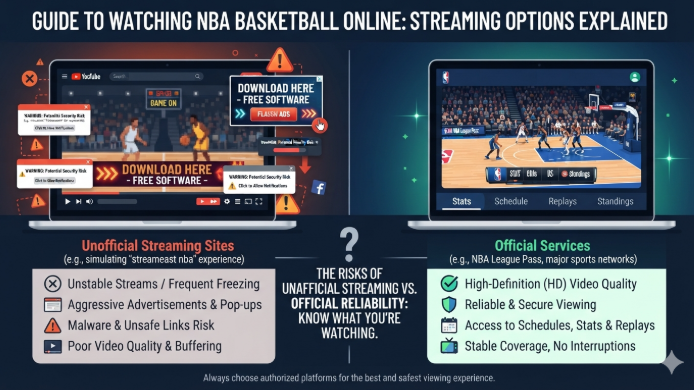
Fans have several ways to watch NBA games. Options depend on location, broadcast rights, and available services. Television networks may carry selected games during the season. Streaming platforms can also provide access to games in supported markets. League-based viewing services may offer additional game coverage. Some games may have regional restrictions or local broadcast rules. This means availability can differ between countries and cities. Always check the current broadcast information before game time. Official team and league pages can help confirm viewing options. Fans should also consider the start time in their local area. International viewers may need to convert United States game times. A calendar reminder can help with late-night games. Watching live can make close games more exciting. Recorded games can be useful when your schedule does not match the game time.
NBA Games and Time Zones
Time zones are important for fans outside North America. A game listed in Eastern Time may start much later in another country. Some games can begin after midnight for international viewers. This is common for fans in Asia, Europe, and other regions. A reliable time converter can prevent confusion. Always check whether the schedule uses Eastern, Central, Mountain, or Pacific Time. Some websites automatically convert times based on your location. Others show the original United States time. When possible, use a schedule that clearly identifies the time zone. This is especially important for NBA games today. A game can technically be listed for one date while beginning after midnight locally. Checking the local time before the game prevents missed tipoffs. It also makes planning easier for fans with school, work, or family commitments.
Current NBA Schedule Snapshot
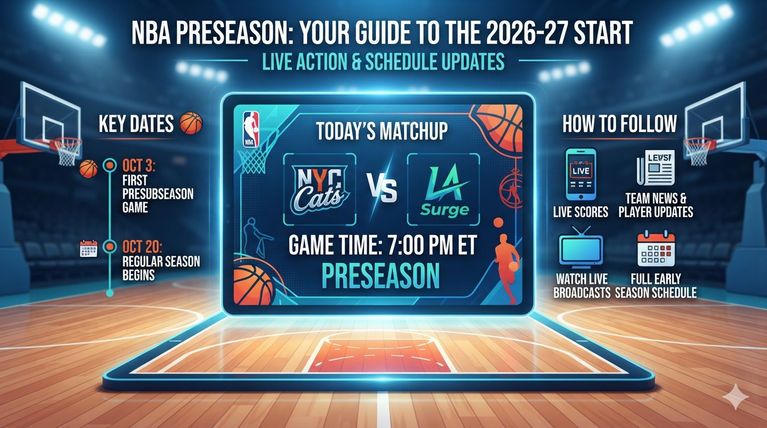
The official schedule is the safest place to confirm upcoming games. The current calendar includes preseason action before the 2026-27 regular season begins. The official schedule lists one preseason game on October 3 and additional games over the following days. The 2026-27 regular season is scheduled to begin on October 20. Dates and broadcast information should always be checked again before viewing. The league also publishes complete schedule information through its official platforms. This includes regular games and special competition information. For international fans, local time conversion remains important. A schedule can look different depending on the viewer’s region. The table below gives a simple guide to the information readers should check. It is designed to help readers understand game listings quickly. Use official sources for final confirmation before making viewing plans.
| Information | What It Tells You | Why It Matters |
| Game date | When the game is scheduled | Helps plan your day |
| Tipoff time | When the game begins | Prevents missed starts |
| Home team | Where the game is played | Shows the venue |
| Away team | Visiting opponent | Identifies the matchup |
| Game status | Scheduled, live, or final | Shows current progress |
| Score | Current or final points | Shows the result |
| Broadcast | Where the game may air | Helps you find coverage |
| Box score | Player statistics | Explains individual performances |
| Standings | Team position | Shows season progress |
| Schedule | Future and past games | Helps plan upcoming viewing |
How to Follow NBA News
Following NBA news can help fans understand what happens beyond game scores. News can cover trades, injuries, roster moves, coaching decisions, and league announcements. Reliable reporting is important because social media can spread unverified claims. Look for reports from official league sources and established sports organizations. Check the date of an article before sharing it. Older stories can become misleading after new events occur. Team announcements can also provide useful confirmation. Fans should separate confirmed information from rumors. This is especially important during trade periods and free agency. Reading several reliable reports can provide more context. However, you do not need to read every story. Focus on news connected to your favorite teams and players. This keeps following the league enjoyable instead of overwhelming. Good information helps fans understand why teams make certain moves.
NBA Rivalries and Important Matchups
Rivalries give many NBA games extra attention. Some rivalries come from nearby cities or long playoff histories. Others develop after repeated postseason meetings. Rivalries can also grow when star players face each other often. Fans may follow these games even when standings are not the main focus. Rivalry games can create strong emotions inside arenas and online communities. However, every game still counts as part of a larger season. A team may also have important games against opponents it does not traditionally consider a rival. Those matchups can affect standings and playoff positioning. Fans should therefore look beyond rivalry labels. Check team records, recent form, and the broader schedule. This creates a better understanding of why a game matters. It also helps new fans discover interesting matchups. Basketball becomes more engaging when you know the story behind each contest.
Tips for New NBA Fans
New fans do not need to learn everything at once. Start by choosing one team or a few favorite players. Learn the basic rules and understand how scoring works. Then follow the team’s schedule and recent results. Watching complete games will help you understand basketball strategy. You can also watch short highlights when you have less time. Pay attention to defensive rotations, passing, shooting, and rebounds. Over time, common basketball terms will become easier. You will also recognize players and understand different team styles. Checking NBA scores can help you follow results between games. Looking at the standings can show how those results affect the season. Most importantly, enjoy the process. Basketball has many details, but you can learn them gradually. There is no need to memorize every player or statistic on your first day.
Common NBA Terms Fans Should Know
Basketball has several terms that appear often in game coverage. A rebound happens when a player collects the ball after a missed shot. An assist is credited when a pass directly helps create a basket. A turnover happens when a team loses possession. A steal occurs when a defensive player takes the ball from an opponent. A block occurs when a defender legally stops a shot attempt. A fast break is a quick attacking move after gaining possession. A double-double means a player reaches double figures in two statistical categories. A triple-double means double figures in three categories. Fans will also hear terms such as field goal, free throw, and three-pointer. Learning these terms makes broadcasts much easier to understand. You can then follow conversations about player performances. This basic vocabulary also makes scoreboards and box scores less confusing.
Frequently Asked Questions About the NBA
What does NBA stand for?
NBA stands for the National Basketball Association. It is a professional basketball league featuring teams from the United States and Canada. The league includes a regular season, postseason competition, and the Finals. Fans can follow teams through scores, schedules, standings, statistics, and news. The league also includes special competitions during the season. New fans often begin by following one team. They can then learn more about other teams and players over time. Basketball uses four quarters, and teams score through field goals and free throws. Three-point shots can add major scoring changes during a game. Defense is also a key part of the sport. Understanding these basic ideas makes watching games much easier. Official league resources can provide additional information about teams, rules, and schedules.
Where can I find NBA scores?
You can find NBA scores through official league platforms and trusted sports websites. Score pages normally show scheduled, live, and completed games. Live pages may include the game clock and current score. Completed games usually display the final result. Many pages also provide detailed box scores. These can show points, rebounds, assists, steals, blocks, and shooting numbers. Always check the date when viewing a score page. This is especially important when searching for recent games. International fans should also consider time-zone differences. A game may finish on a different local date. Official sources are useful when you need the latest confirmed information. You can also use sports apps for alerts and notifications. Setting team alerts can save time during a busy season. This makes it easier to follow games without checking every hour.
How can I find NBA games today?
To find NBA games today, check the official schedule for the current date. Look for the game time, teams, location, and status. You should also confirm the time zone. This matters when you live outside North America. Preseason and regular-season games may appear together during certain parts of the calendar. Checking the game type can help you understand its importance. You can also look for broadcast information if you plan to watch. Some games may have different viewing options based on your location. Schedule pages are usually updated as game information changes. It is smart to check again shortly before tipoff. This can help you catch changes or updated broadcast details. A calendar reminder can also help with early or late games. These simple steps make daily game tracking much easier.
Where can I find the NBA schedule?
The official NBA schedule is available through the league’s website and official digital platforms. Schedule pages can show upcoming games, dates, times, and teams. Some listings also include broadcast information and game locations. Fans can use the schedule to plan which games they want to watch. Team-specific schedules are also useful when following one club. Remember that game times may appear in a specific United States time zone. International fans should convert the time to their local region. Checking the schedule close to game time is a good habit. It helps confirm the latest information. You can also add important games to a digital calendar. This works well for rivalry games, special events, and postseason contests. Keeping the schedule handy makes following the season much easier.
How often are NBA games played?
Teams play many games during a regular season. The schedule spreads those games across several months. Some teams play on consecutive days, while others receive rest between games. Travel also affects how the schedule is arranged. Fans may notice periods with many games close together. Other weeks may have fewer games for a particular team. This creates different viewing patterns throughout the season. The schedule can also include special events and competition dates. Fans should use the current official calendar for exact game dates. This is better than relying on general assumptions about timing. A team’s schedule can change because of league adjustments or other circumstances. Checking regularly gives you the most accurate information. It also helps fans plan viewing around work, school, travel, and family activities.
Why are NBA scores important?
NBA scores tell you the basic result of a game. They show which team finished with more points. However, a final score does not explain everything that happened. A close game and a large win can tell very different stories. Box scores provide more detail about individual players. Team statistics can also show shooting, rebounding, turnovers, and other factors. Looking at these numbers helps fans understand how the game developed. Scores also affect team records during the season. Those records can influence standings and postseason positioning. This makes each result useful within the larger season story. Fans can combine scores with schedules and standings for better context. Doing so gives a fuller view than looking at one number alone. That approach is especially helpful during long regular-season stretches.
Conclusion
Following the NBA does not have to feel complicated. Start with the basics and build your knowledge over time. Check scores after games and use the schedule for future matchups. Follow one team if the full league feels overwhelming. Then explore other teams, players, and rivalries as your interest grows. The most useful information includes NBA scores, NBA games, NBA games today, and the NBA schedule. These tools help you stay connected throughout the season. Remember to check reliable sources for current information. Game times, broadcasts, and schedules can change. A quick check before tipoff can prevent confusion. You can also use player statistics and standings to understand games more deeply. Most importantly, enjoy the sport at your own pace. Whether you watch every game or only big matchups, basketball offers plenty to follow. Keep checking the latest schedule, choose your games, and enjoy the action.